Investigational platform for venous specialists

An investigational nonthermal, nontumescent venous treatment.

Request a practitioner briefing
Catheter-based Familiar venous access
Nonthermal No thermal energy at the target
Nontumescent Designed without tumescent anesthesia
No implant Device withdrawn after delivery
Clinical context

Visible disease is often the surface expression of a deeper hemodynamic problem.

The practitioner challenge is not simply identifying a visible vein. It is treating the target vein while protecting surrounding tissue and maintaining an efficient workflow.

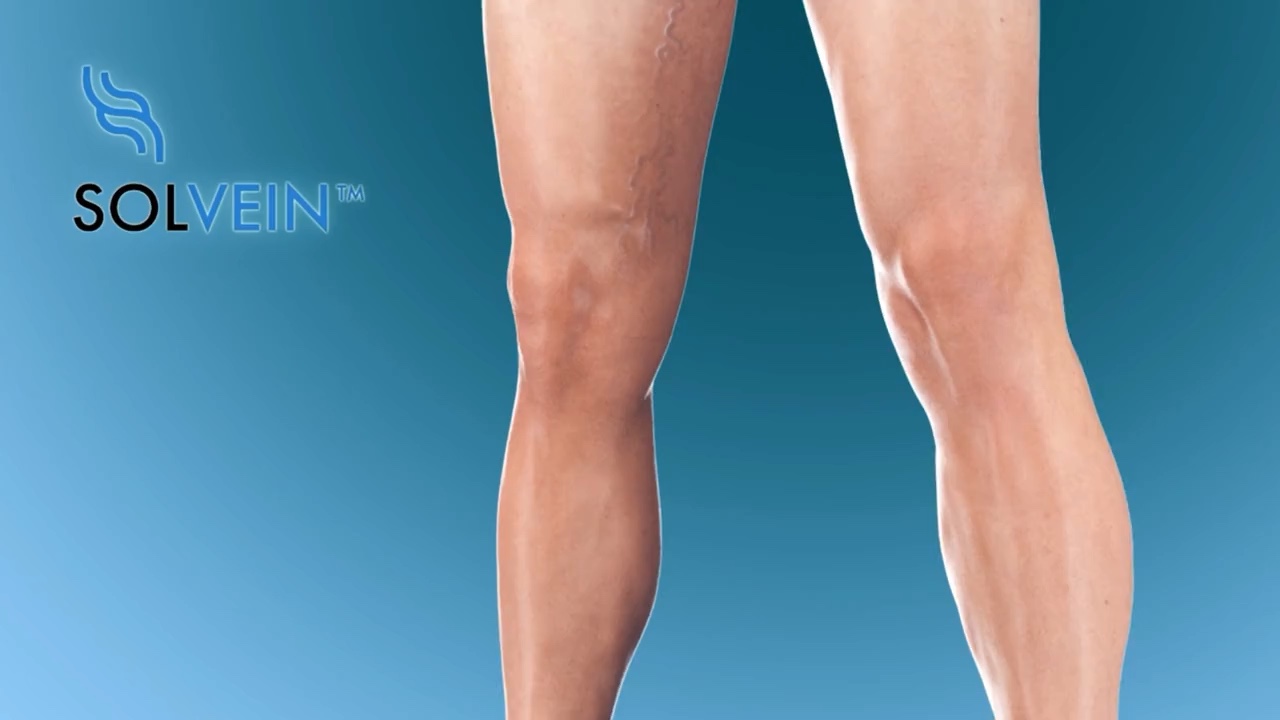
Woman seated with visible veins on her leg
Explore superficial venous anatomy
Move across the treatment area
Treatment area visualized Conceptual simulation, not a treatment outcome.
Single balloonCoil-based treatment element
NonthermalEnergy-free mechanism
NontumescentDesigned without tumescent anesthesia
Hemodynamic context

Reflux turns a local valve failure into a progressive pressure problem.

When valve competence is lost, retrograde flow increases venous pressure, distends the vessel, and can drive visible and symptomatic disease.

0m
Varicose veins
0m
Varicoceles
0m
Pelvic congestion
Woman seated indoors with visible veins on her leg
1 · Valve failsThe seal no longer closes.
2 · Flow reversesPressure travels down the vein.
3 · Blood poolsThe vein stretches and becomes visible.
Simplified anatomy · not to scale
Inside the vein

Valve incompetence changes flow, pressure, and vessel geometry.

A competent valve supports unidirectional return. When it fails, reflux and elevated ambulatory venous pressure can contribute to dilation, edema, and progressive symptoms.

Beneath the skin · the venous network
Current procedural trade-offs

Today's venous treatments ask practitioners to balance efficacy, invasiveness, and workflow.

Thermal, adhesive, and chemical approaches each bring distinct procedural considerations.
Thermal, RFA & laser

Energy dependent

  • Typically requires tumescent anesthesia
  • Heat-related nerve and skin considerations
Adhesive closure

Implant dependent

  • Permanent material remains in the vessel
  • Hypersensitivity and phlebitis considerations
Chemical foam

Dispersion dependent

  • Distribution can extend beyond the target segment
  • Staining and thrombophlebitis considerations
Single-balloon mechanism

One balloon with integrated coils supports a nonthermal, nontumescent treatment approach.

Scroll to follow the mechanism · single balloon · integrated coils
Design priorities
Priority 01

Tissue preservation

A nonthermal mechanism avoids applying heat at the treatment target.

Priority 02

Nontumescent workflow

Designed to treat without tumescent anesthesia.

Priority 03

No permanent implant

The catheter and single balloon are withdrawn after treatment.

Practice integration

Designed to fit established superficial venous workflows.

Familiar access
Catheter-based technique builds on established venous procedural skills.
Single-balloon treatment
Integrated coils provide a clear, easy-to-visualize mechanism.
Clear patient conversation
Nonthermal, nontumescent, no permanent implant offers a straightforward treatment concept.
In the clinical conversation

Founder interviews and clinical discussions.

Dr. Ali Golshan on the venous treatment landscape, the case for a nonthermal and nontumescent approach, and what physician-led device development looks like in practice.

BackTable VI · Episode 465 ·

Innovations in superficial venous disease treatment

A long-form conversation with interventional radiologists on where current thermal and adhesive options fall short, how a single-balloon nonthermal mechanism is intended to work, and the realities of taking a venous device from concept through development.

Watch on YouTube
State of Medtech ·

Treating venous insufficiency in a new way

Why the founder went looking for a treatment path that removes heat and tumescent anesthesia from the procedure.

Watch
TED Congress · Interview

SOLVEIN at the TED Congress

A conference-floor conversation on the device concept and where it fits alongside existing endovenous options.

Watch
NCVH ·

NCVH 2024 interview

New Cardiovascular Horizons conversation covering the treatment gap in superficial venous disease.

Watch
A Matter of Innovation · Founder profile

Building a controlled-delivery venous platform

The founder on the engineering thinking behind the platform and the path from clinical frustration to device.

Watch
Third-party conversations. Views expressed are those of the participants. All press and appearances →
Development status

An investigational platform with a defined development path.

Regulatory strategy
510(k)
pathway planned
Development
Verification
& validation
Evidence
Preclinical
program
Protection
2 families
10+ patents
Vascular device experience

Built by an experienced vascular-device team.

Leadership combines venous practice, device development, quality, operations, and commercialization experience. Medical and strategic advisors extend that perspective.

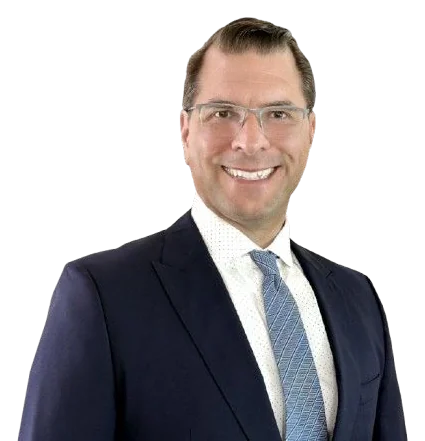
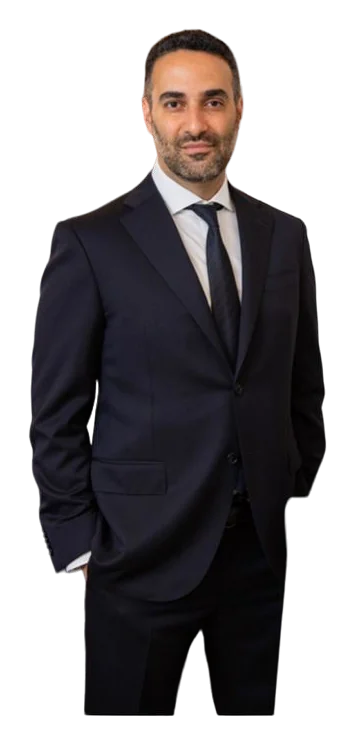
Dr. Ali Golshan
Founder & CEO
Interventional Radiologist · Johns Hopkins / UCLA
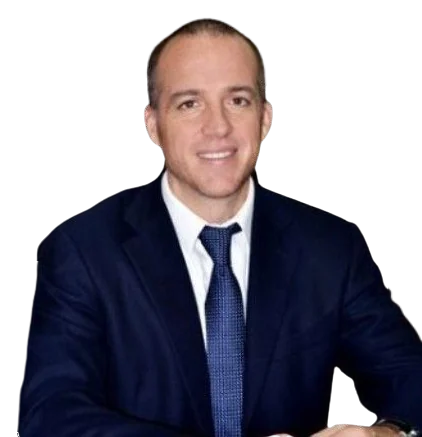
Scott Addonizio
COO
Former COO, MedAlliance
Dennis Liong
Dennis Liong
VP Engineering
MedAlliance
Kevin Turner
Kevin Turner
Director of Quality
MedAlliance
Megan Connor
Chief of Staff
McKinsey & Co.
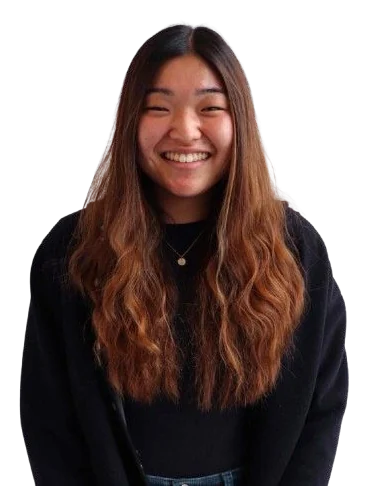
Lauren Hoshiko
R&D Engineer
Manufacturing · MedAlliance
Martin Truong
Martin Truong
Equipment & Testing
Strategic Service Solutions
Ben Glenn
Head of Legal & IP
Partner, Shay Glenn
$1.1BMedAlliance acquisition
Strategic Advisory Board
Craig Walker, MDinAdvisor · Interventional Cardiologist
Founder/CEO, Cardiovascular Institute South
Jasvindar Singh, MD, FACCinAdvisor · Interventional Cardiologist
WashU Medicine
Daniel Hawkins, MBAinAdvisor
Shockwave Medical · Acquired ~$13.3B
Jeff Carr, MDinAdvisor · Interventional Cardiologist
CMO, Venclose · Acquired
Mahmood Razavi, MDinAdvisor · Interventional Radiologist
Trivascular / Neuravi · Acquired
Prof. Stephen Black, MDinAdvisor · Vascular Surgeon
Guy's and St Thomas' Hospital
Joel CraterinConsultant · Advisor
FoxHollow / MedAlliance · Acquired
Jim Swick, MD, PhDinConsultant · Advisor
Founder, Lychron Medical Device CRO

Evaluate SOLVEIN for your practice.

Request a practitioner briefing to review the mechanism, intended workflow, development status, and evidence plan.

Request a practitioner briefing